


Can you smell quality? Here's how to recognize high-quality perfumes.
|
|
Time to read 5 min
|
|
Time to read 5 min
A high price doesn't always mean high quality, though rare or premium ingredients do come at a cost.
Sillage and longevity are no guarantee of quality.
Whether niche luxury or mainstream: it's the craftsmanship that counts.
Bottle and packaging are part of an exclusive Gesamtkunstwerk.
In the end, it's your choice: fast perfume or slow-crafted luxury?
Picture this: you're standing in front of the frozen pizza section at the supermarket. The packaging says "with 20% cheese." Sounds like a solid promise. But: is it real mozzarella or cheap processed cheese?
Perfumes work the same way. 35%, 15%, 5% – you'll find terms like Extrait, Eau de Toilette, or Eau de Parfum on many bottles. These indicate how much fragrance oil is in the formula – and give you an idea of intensity and longevity. One indicator of quality.
But that's just one piece of the puzzle. Because oil concentration or sillage alone doesn't make a perfume high quality. A bad scent can linger in the air for hours but still feel flat. A well-crafted perfume might be subtle – yet deliver a complex, layered experience.
"True quality lies in the raw materials and how they interact."
Natural essences like orris butter or oud are precious and luxurious. Advanced synthetic compounds offer stability or unlock scent experiences nature can't provide. These so-called "captives" are newly designed molecules that companies keep for in-house use. They never reach the open market – a hidden gem that guarantees uniqueness and signature character.
And then: the craft. How refined is the composition? Does it build depth, layer itself, evolve without collapsing? Luxury perfumes never feel one-dimensional. Their notes express elegance and personality. They move with you – for hours, subtly, harmoniously, with nuance.
A perfume is more than a first impression. At its heart lies the classic scent pyramid, unfolding over time:
Top note
Heart note
Base note
The top note is what hits your nose first: fresh, striking, immediate – like a sip of cold water on a hot day. The heart note emerges after a few minutes and defines the character: think of the smell of freshly baked croissants slowly filling a room. The base note lingers the longest and anchors deep scents to your skin – like a wood-burning stove, leather, or warm sandalwood.
Cheap perfumes rely almost entirely on top notes: a short-lived bang, then a fireworks show with no finale. Luxury fragrances, on the other hand, build their chords so that every layer tells its own story. This creates olfactory depth – a perfume with evolving facets over hours, shifting from fruity-fresh to spicy-woody, without one note overpowering another.
Perfume prices are shaped by many factors. One of the biggest: the quality of ingredients. And the spectrum is wide. Some synthetic molecules like basic musks or fruity esters cost mere cents per gram. Real Turkish rose oil or orris root, by contrast, can be traded like liquid gold. Still, that's only part of what explains the final price.
So what drives the numbers up? Million-dollar marketing budgets, celebrity deals, licensing fees, and flacons designed more for Instagram than for storage. In short: when you buy a designer fragrance, you're paying not only for the juice – but for the story, the prestige, the lifestyle.
Does that mean luxury perfumes are overrated? Not necessarily. Many of them offer excellent craftsmanship and strong performance. But: niche houses often take more risks, act bolder, more experimental. They use unusual materials or artistic concepts – which can result in scents less crowd-pleasing but more original.
At Woodberg, you'll find a carefully curated selection of unisex and niche perfumes you won’t bump into on every corner. Every fragrance comes with a matching sample, so you can test before you commit. Need advice? We're here for you – in person at our Darmstadt store or online anytime.
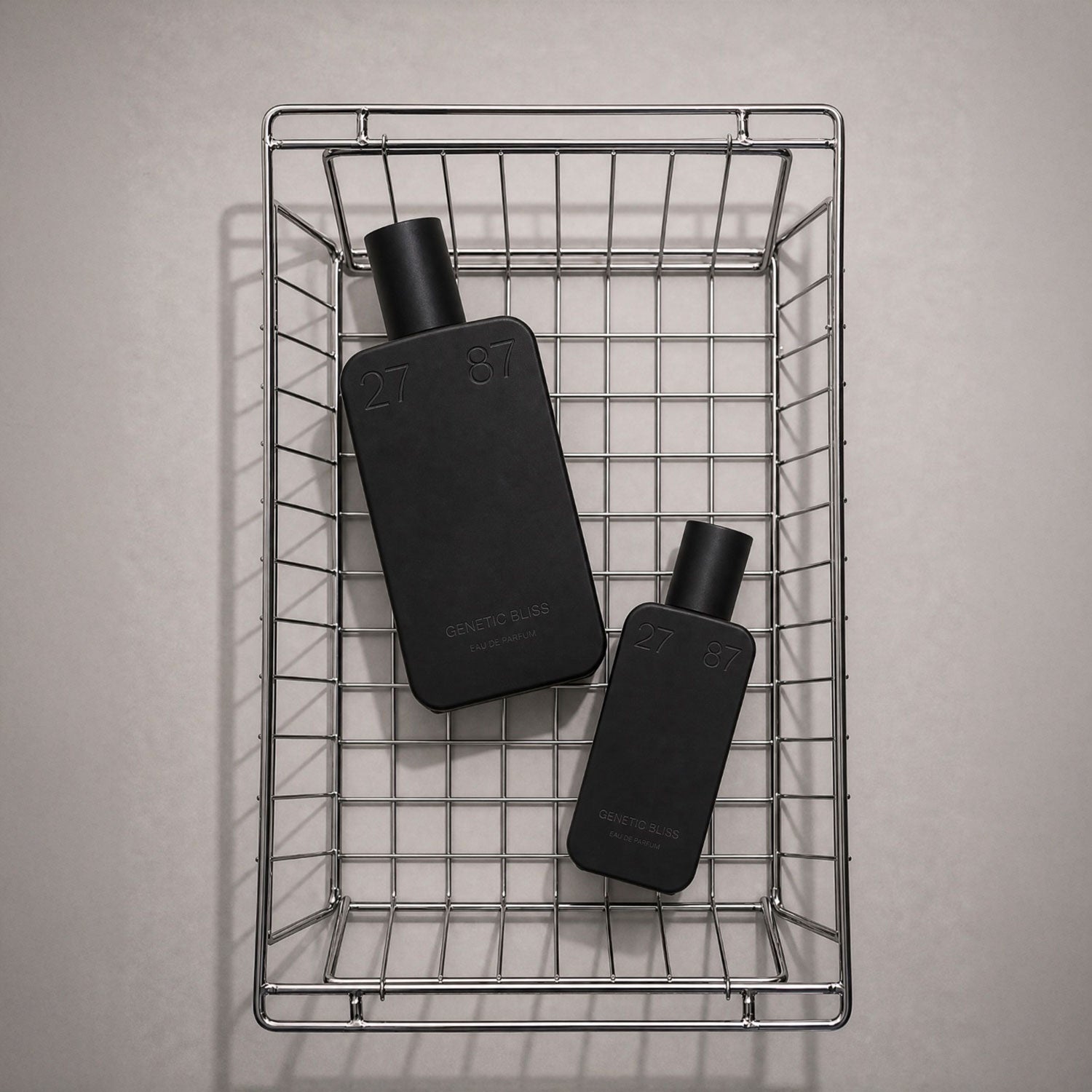
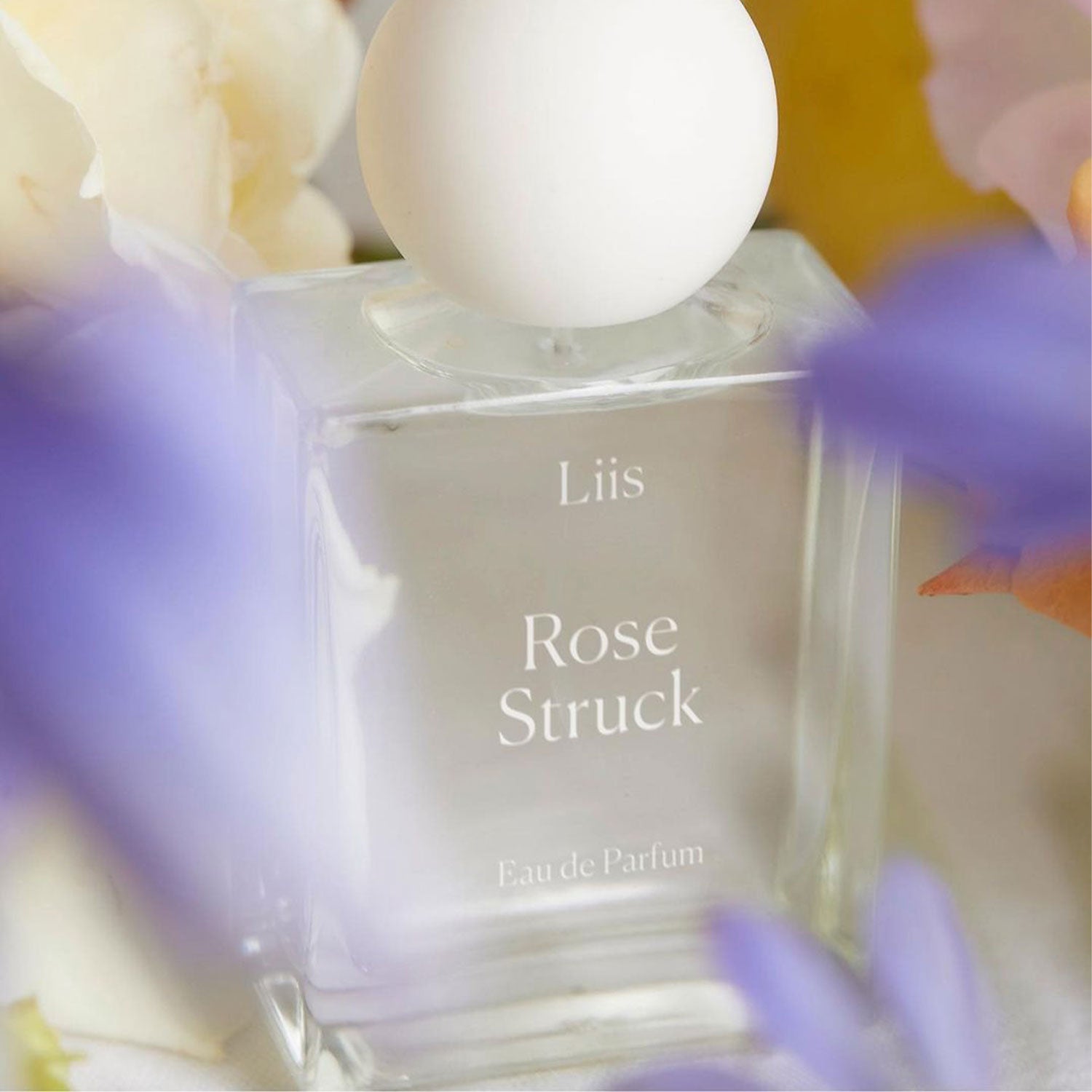
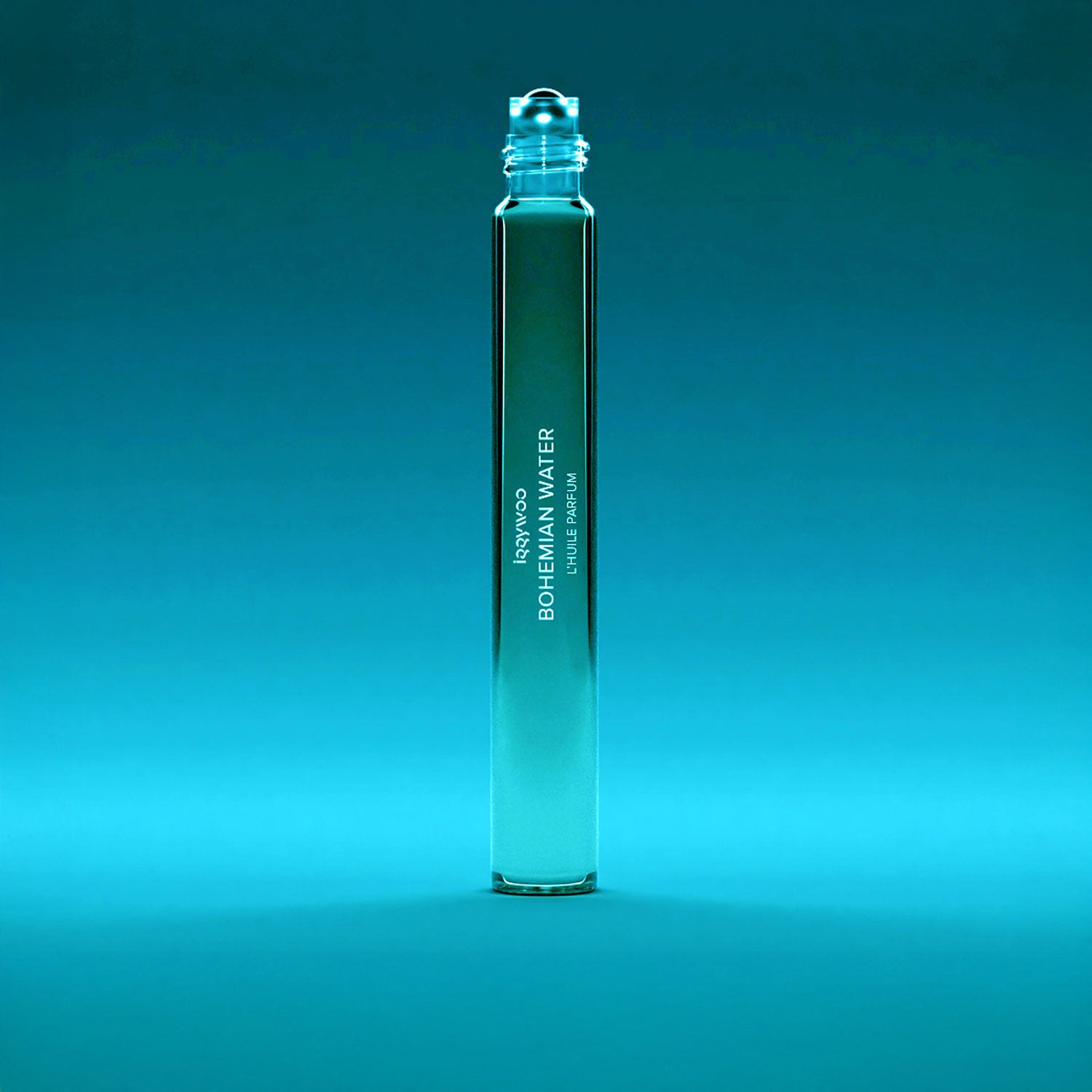
If you want to know what makes a perfume high-quality, the flacon definitely plays a role – albeit as part of the bigger picture. These little bottles are more than just containers. They have their own character. Glass dominates, but there are creations made of:
Ceramic
Metal
Wood
Each material affects the feel, weight, and visual impression of a perfume. Designers and artists sometimes create bottles like tiny sculptures. Limited editions are chased by fans across the globe. Details like engravings, magnetic caps, or heavy atomizers aren't just aesthetic extras – they speak to a level of craftsmanship.
But beware: a stunning flacon means nothing without a good composition inside. A well-made perfume bottle enhances the experience, conveys luxury and value. But the true star will always be the scent itself.
The true test of a perfume doesn't happen on a shelf – but on your skin. Because even the most elegant design or perfect pyramid says little about how a fragrance behaves on contact. Your pH, skin type, and temperature change how a perfume unfolds – it smells slightly different on everyone. The drydown reveals whether a scent stays nuanced over time or fades into monotony.
When perfume shopping, pay attention to how you test. Smelling a strip of paper might show you the highlights, but not the full story. On skin, subtle layers emerge that interact with your body chemistry – sometimes surprising, sometimes completely different than expected. A luxury perfume thrives on this interaction: versatile, balanced, long-lasting – never boring.
Very. Natural essences like Indonesian patchouli, Mexican vanilla, or high-grade frankincense from Oman vary in quality, intensity, and complexity depending on where and how they're sourced. Branded luxury perfumes often use rigorously vetted raw materials, while budget options may rely on synthetic substitutes or lower-grade batches. Origin is a quality marker – but not the only one.
Absolutely. Light, heat, and oxygen impact both natural and synthetic ingredients. High-quality perfumes reveal their full elegance and character only when stored properly: upright, cool, and in the dark. A poorly stored luxury scent can smell flat, musty, or unbalanced – even if the raw materials were initially top-notch.
Perfumes almost always contain ethanol. It carries the scent molecules, controls evaporation, and shapes how the fragrance develops. High-end or niche perfumes use ultra-pure ethanol that doesn't introduce off-notes. Cheap perfumes often use lower-grade alcohols or industrial spirits, which can distort the scent: making it thin, brittle, or boozy on skin.
Many luxury perfumes include tiny amounts of highly concentrated essences – like a single drop of Damask rose oil in a 50 ml bottle. These micro-ingredients act like spices in cooking: they alter how chords interact, add surprising nuances, and enhance the layering. Cheaper perfumes skip them – which is why they often smell flat, no matter how long you wear them.

Your box is not yet complete
You still have in your Sample Box. Would you like to complete the box or proceed to checkout anyway?
Want more?
Do you already know our Sample Box? Build a box from 5 or 10 samples.
5x box (incl. €10 voucher)
10x box (2 samples free + €10 voucher)
Your box is full!
Sample already in box


