

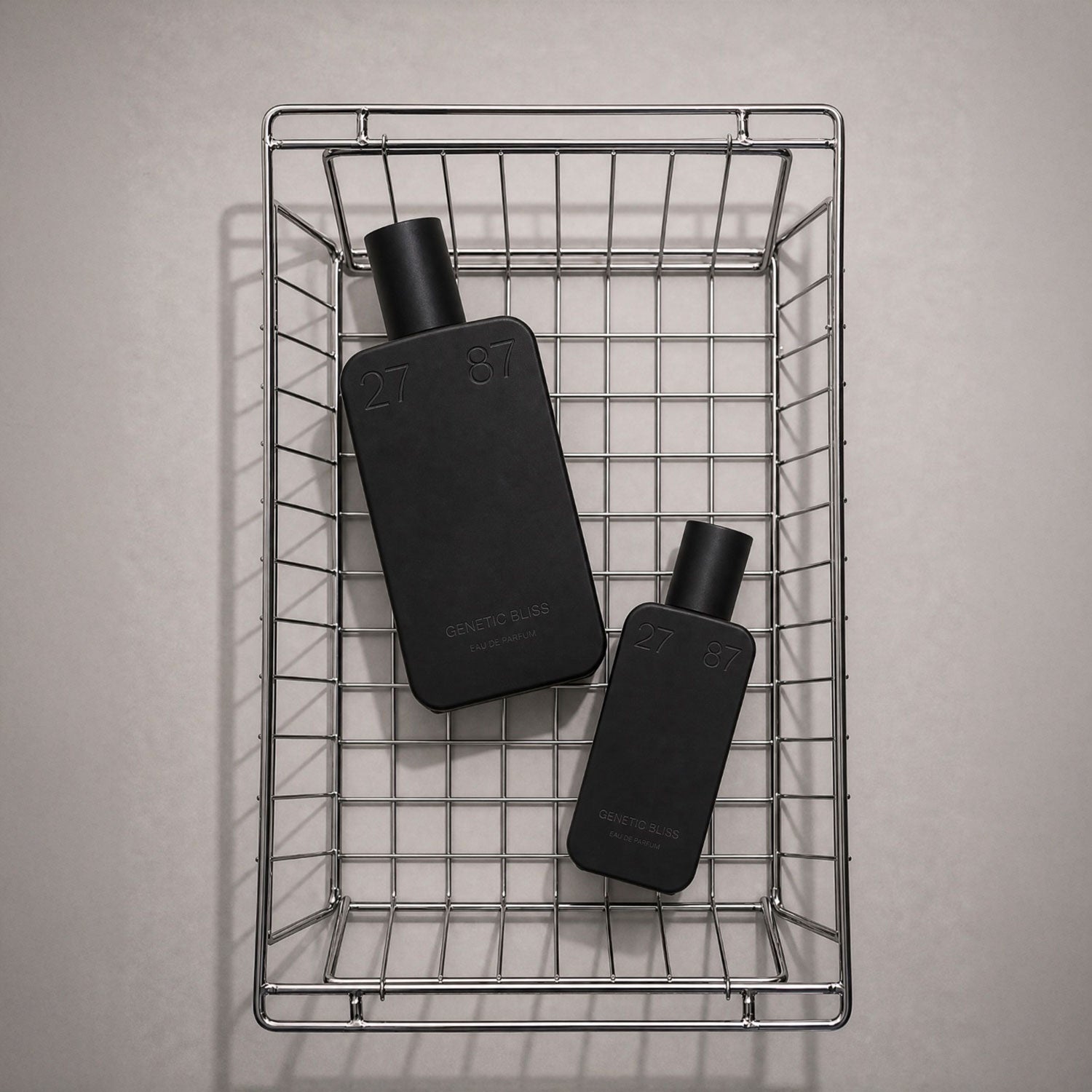
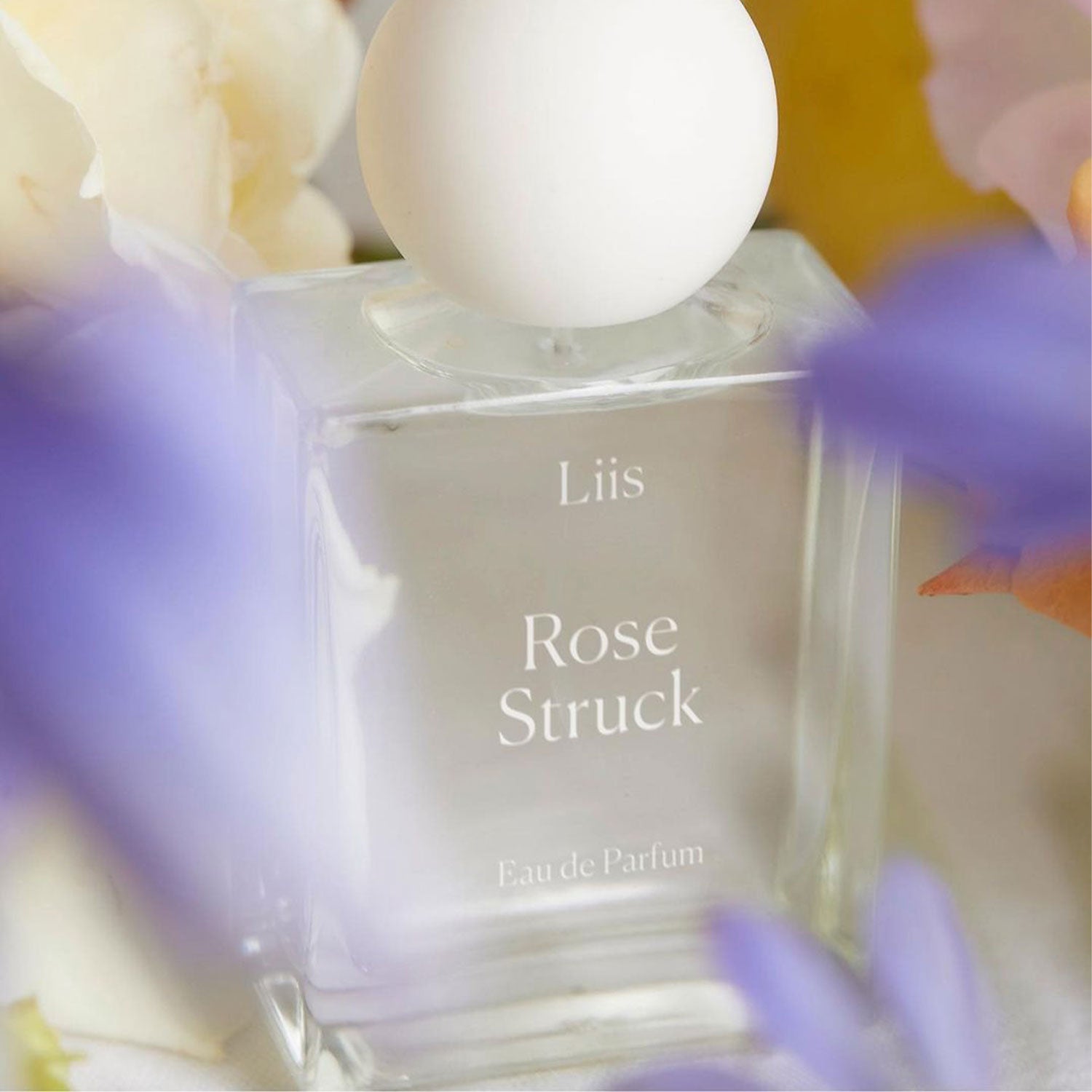
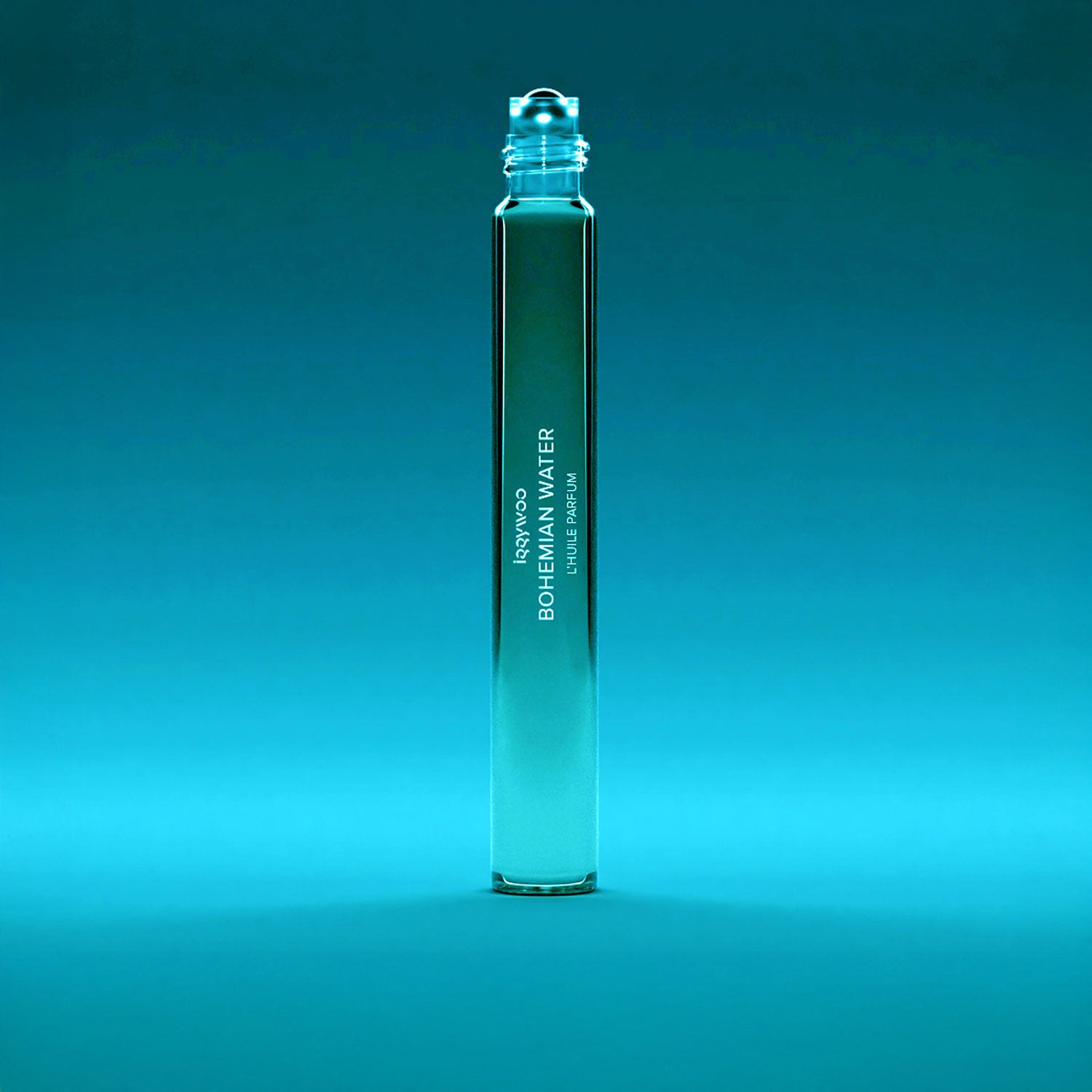
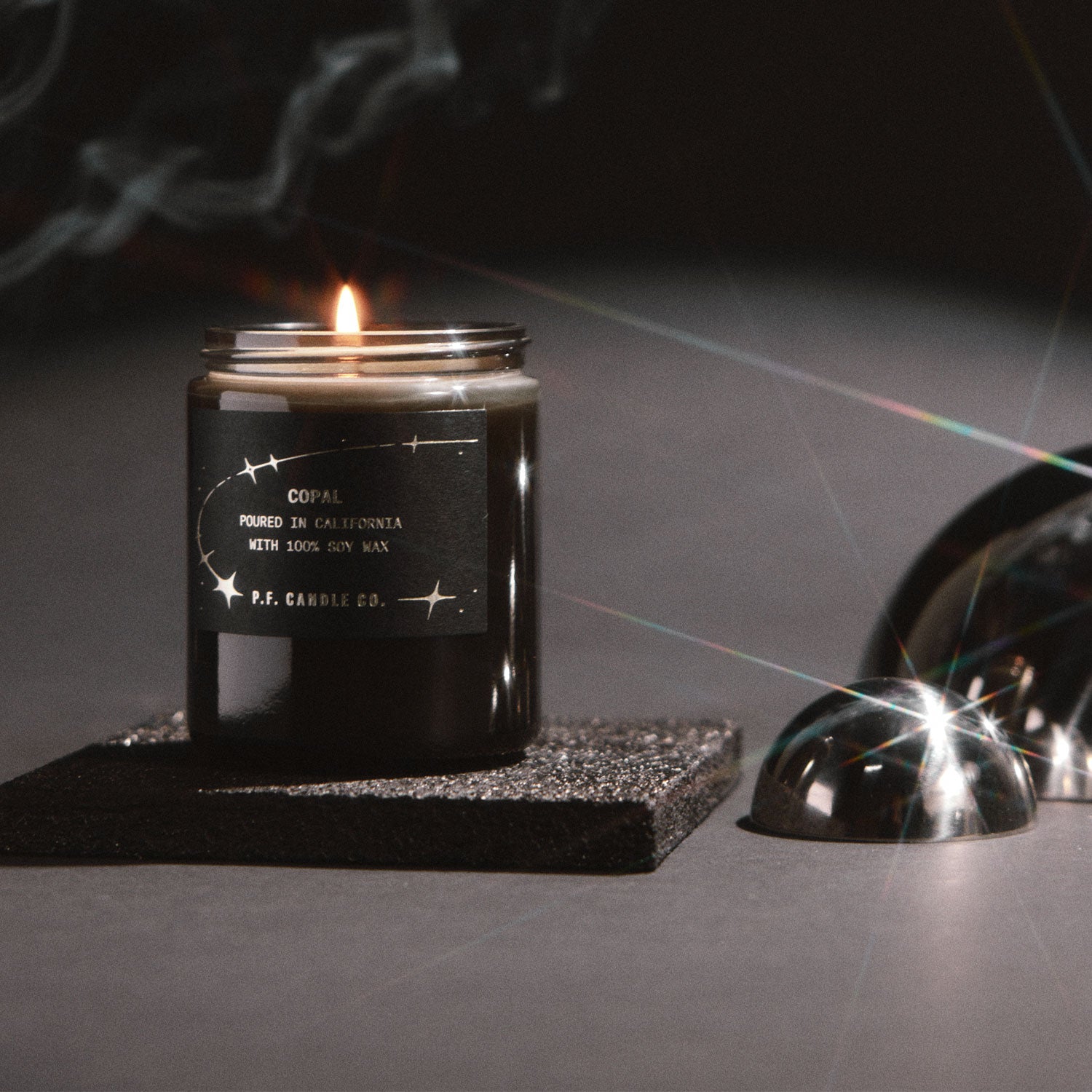
Enhance your fragrance by choosing a perfume and deodorant from the same scent family.

Mix & Match: How to Combine Your Deodorant and Perfume Properly
|
|
Time to read 6 min
Shopping Cart
|
|
Time to read 6 min
Many deodorants contain fragrance. They can either harmonize with your perfume or clash with it.
The foundation is your skin chemistry: Test how the scent of perfumes and deodorants develops on you.
If you want your perfume to receive full attention, choose an unscented deodorant.
Enhance your fragrance by choosing a perfume and deodorant from the same scent family.
Creative minds use both scent carriers for layering – for example, heavy perfumes with fresh deodorants.
Both deodorants and perfumes contain fragrant oils. When you apply both at the same time – deodorant on your underarms and perfume on one of your pulse points – the scents mix in the air and a new scent cocktail is created. Clear enough, right?
The subtle difference lies in the composition of the scent profile: Most perfumes are divided into top, heart, and base notes. We call this structure the fragrance pyramid. Let’s take the bestseller Black Saffron by Byredo as an example:
The individual notes unfold one after another in phases after spraying. This takes you on an olfactory journey. Your skin chemistry is also crucial: pH levels and skin lipids determine how fragrance molecules develop and reveal themselves. That’s why a perfume smells different on everyone.
Common deodorants, on the other hand, are not structured according to the classic fragrance pyramid. Their scent is very straightforward and resembles more of a single tone than a harmony. The goal is to keep you fresh throughout the day so that sweat odors don’t stand a chance.
So when perfume and deodorant meet, a scent cocktail of complex notes forms on your skin, which can quickly go wrong and create more of a stink cloud than a fragrance cloud. So which deodorant pairs well with which perfume? To keep you from getting completely lost in the world of scents, we’ll show you the best combination options.
The easiest way to skillfully combine a deodorant with a perfume is to assign clear roles: Which product is the lead, and which one plays the supporting part?
You want your perfume to shine entirely on its own? Then unscented deodorants are the best choice. They give the perfume the full stage and don’t interfere. This is especially practical if you’re a fan of complex niche fragrances. Their scents are often finely composed and resemble small olfactory artworks that need plenty of space. Unscented deodorants and antiperspirants stay in the background while still offering protection against sweat or unpleasant body odor.
Your deodorant is very present? Then you’re on the safe side if you skip an additional fragrance. This way, you rely on the freshness of your deodorant and move confidently and pleasantly scented through the day without perfume.
But let’s be honest… playing it safe all the time is a bit boring, isn’t it? So how about a third option: a unique combo of both products’ scent profiles? Well then, keep reading 😉
When it comes to layering, the key question is: Which fragrance notes work well together? There’s no substitute for thorough testing over several hours — after all, your deodorant might harmonize with the top notes of your perfume but later clash with the heart or base notes.
If you choose perfume and deodorant from the same fragrance family, you create a subtle depth and gentle complexity. Both scents come from the same world and form a unified, harmonious impression that accompanies you throughout the day.
For example:
floral perfumes with floral deodorants – jasmine, rose or neroli meet magnolia or fresh white blossoms woody perfumes with herbaceous deodorants – cedarwood, vetiver and sandalwood blend with a masculine-woody deodorant perfumes with skin-scent character paired with “clean laundry” deodorants – light musk notes complement the cozy-fresh smell of cotton or linen
Citrus scents are like a white T-shirt: they go with almost everything. With a citrus perfume, you have an exciting base that you can further shape with deodorant scents — entirely according to your personal style:
The best combos with citrus perfumes:
This combination thrives on contrast and is better suited for more advanced noses. The idea is to give heavy perfumes a refreshing lift with the right deodorant — one that floats gently above the deep notes. The star of your show is the expressive perfume, while the deodorant plays the delicate sidekick.
Typical notes of heavy perfumes:
Matching deodorant scents with a light character:
Seductive, luxurious, and impossible to overlook: When you mix spicy perfumes with creamy-smelling deodorants, you become the center of the party. This opulent combination radiates sensuality and delivers a rounded aroma — perfect for anyone who knows exactly what they want.
Spicy perfume notes:
Creamy deodorant scents:
The best perfume–deodorant combo for anyone who loves to experiment and prefers to leave labels tucked away. Masculine, dark notes meet feminine fragrances, creating a modern, niche-like blend. A refined nose is needed here too — far from gender categories and right into pure individuality, which is more than welcome to provoke.
Masculine fragrance notes:
Feminine fragrance notes:
Whether spray, roll-on or cream deodorant: the scent is what matters. It should be compatible with your perfume’s scent profile. Once you know the ideal fragrance combo of deodorant and perfume, you can opt for a deodorant spray, for example, to envelop your whole body. This creates a more noticeable scent cloud and a more intense blend with your perfume.
The best time is right after showering. The warmth opens your pores, which helps scents last longer. Apply your deodorant to your underarms and your perfume to pulse points such as your wrists, neck or behind your ears. Tip: Moisturize your skin with body lotion to make your perfume last even longer.
We advise against it: when the ingredients of deodorant and perfume come into direct contact, it can strongly alter the scent of your fragrance. One reason for this is the alcohol in the deodorant, which makes the top notes evaporate more quickly. Minerals like aluminum salts also influence your skin chemistry and modify the smell of the perfume. Instead, apply the deodorant to your underarms and your perfume to pulse points such as your wrists.
Many luxury perfumes contain tiny amounts of highly concentrated essences — for example, a single drop of rose oil from the Damask rose in a 50 ml bottle. These micro-ingredients behave like spices in a dish: they change the interplay of the accords, create surprising facets and increase layerability. More affordable perfumes usually skip them — which is why they often smell linear, no matter how long you wear them.

Your box is not yet complete
You still have in your Sample Box. Would you like to complete the box or proceed to checkout anyway?
Want more?
Do you already know our Sample Box? Build a box from 5 or 10 samples.
5x box (incl. €10 voucher)
10x box (2 samples free + €10 voucher)
Your box is full!
Sample already in box


