


Flacons: When Fragrance Becomes Design
|
|
Time to read 6 min
|
|
Time to read 6 min
Some perfumes don’t just smell good. They look so good that they never leave your bathroom.
Glass, ceramic, or chrome: carefully designed perfume bottles are design objects – somewhere between fragrance and art.
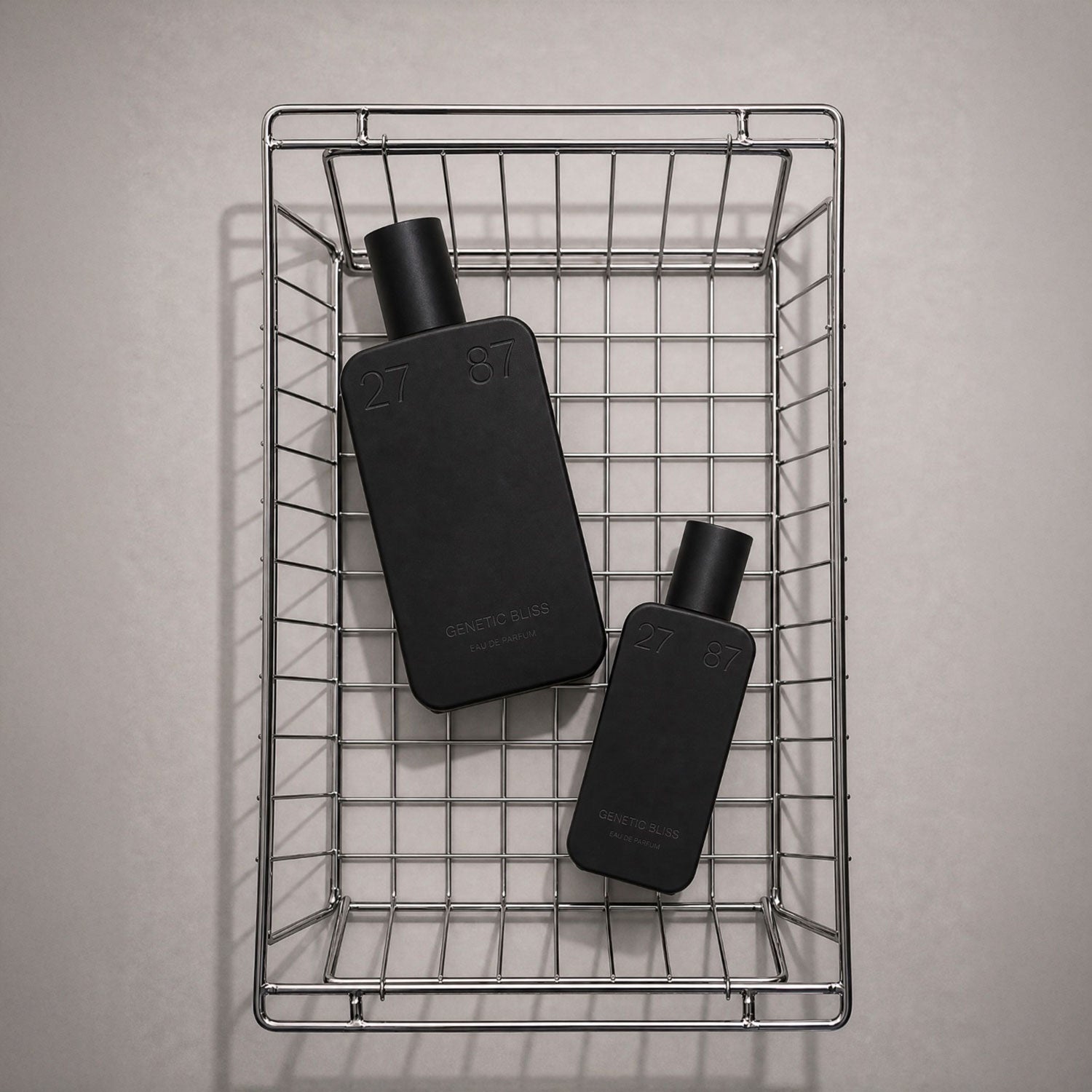
Minimalist brands rely on clean lines and aesthetics rather than grand staging.
More expressive labels intentionally create sculptural or unconventional bottles.
Why does this influence purchasing decisions? Because the tactile experience helps determine which fragrance we want to wear. And so does the eye.
In the past, perfume was hidden away in the bathroom cabinet. The only people who ever saw it were curious guests who spent a little too long scanning the shelves while washing their hands. Today, the shelf is arranged around the bottle. Somewhere between TikTok “shelfies” and coffee table aesthetics, the perfume bottle has long become more than just packaging – it has become part of the interior. A status symbol and sometimes more important than the fragrance itself. At least almost.
A look at perfume history shows that bottles have been around for a very long time. As early as Ancient Egypt, fragrance oils and resins were stored in small vessels. These were made from:
The Romans preferred blown, colorful glass for their fragrance essences. In the Orient, bottles were crafted from brass or bronze and decorated with animal figures and golden wires. Merchants from Venice rediscovered them during the Middle Ages and profitably copied them. This was followed by cork-sealed apothecary bottles, cut crystal flacons, and elaborate Art Deco designs.
Today, many niche brands exist somewhere between fashion and art: some bottles resemble minimalist interior objects, while others feel more like expressive sculptures.
In fact, the material influences not only the aesthetics but also the fragrance itself. To this day, high-quality perfumes are usually bottled in glass because it is particularly stable. The material also protects fragrance molecules from oxygen and light, as well as from excessive temperature fluctuations. Dark or lacquered glass can further help preserve light-sensitive ingredients such as citrus or green notes for longer.
The caps of perfume bottles are usually made from:
While they do not directly alter the fragrance inside the bottle, they influence the entire perception surrounding it: clean and technical, warm and handcrafted, or intentionally raw and archaic.
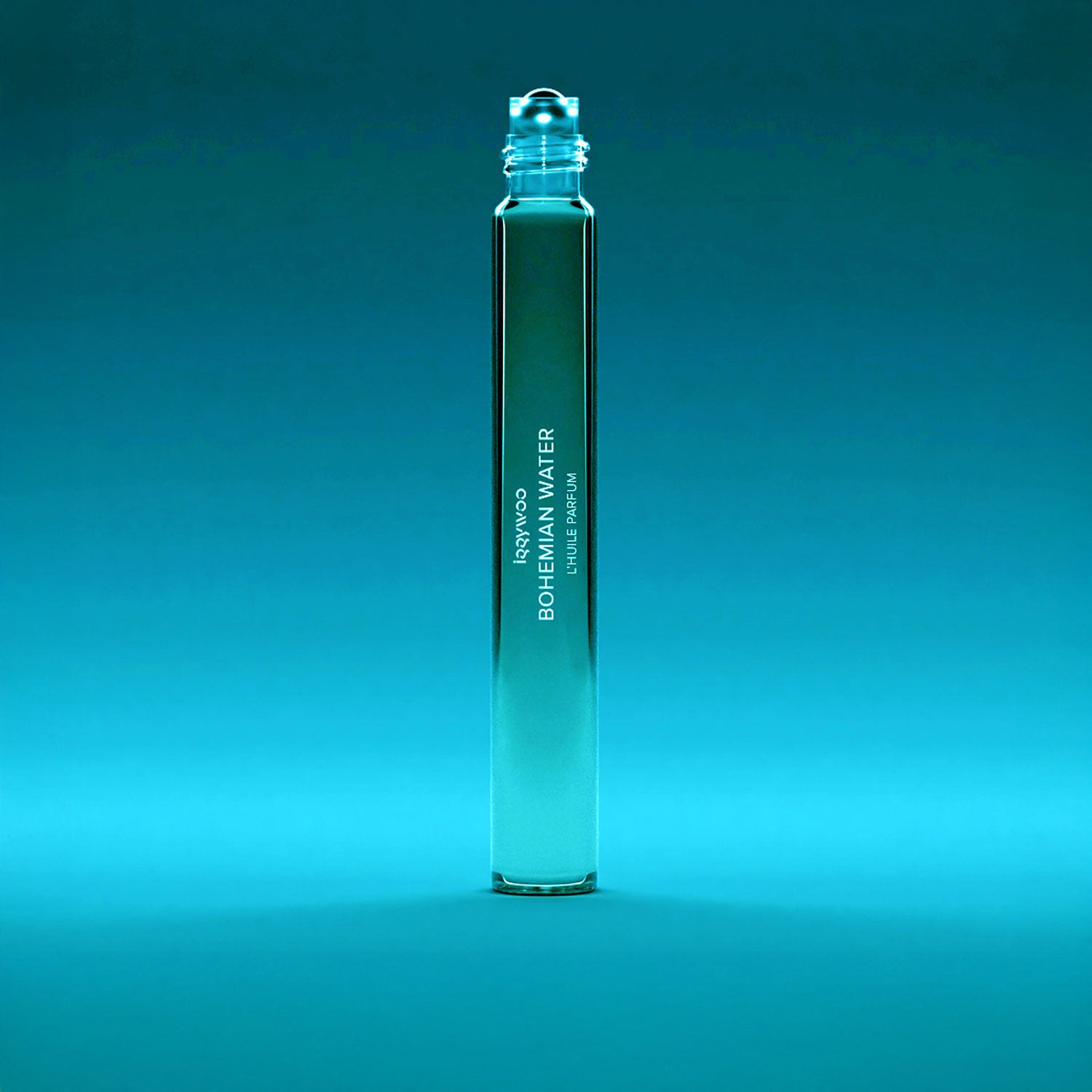
There are also differences in application. Most brands use classic atomizers that disperse the fragrance finely into the air. Extrait de Parfum and perfume oils, on the other hand, sometimes come with pipettes or dropper closures – slower, more controlled, and almost ritualistic. Some brands even develop the bottle first and only create the fragrance afterward. Sounds completely wild? Maybe. But that is exactly why it works so well.
Muted labels, clean lines, plenty of negative space: minimalist bottles do not demand attention – and receive it precisely because of that. If you have ever opened a Pinterest board dedicated to bathroom aesthetics, you already know where this is going: less product, more object.
This is all about reduction in its quietest form. Perhaps paired with a bold color, a single contrast. But no overload, no visual loudness – just clean aesthetics somewhere between Scandinavian design, editorial shoots, and quiet luxury. Bottles that do not push themselves into the spotlight but naturally settle onto bamboo shelves or marble trays.
Brands such as:
follow exactly this idea: simplicity as a mindset. Fragrance is not staged here, but curated – almost as if the bottle belongs more to the interior than to a beauty shelf.
Some bottles have no intention of being subtle. They look as though they have come directly from another discipline: sculpture, architecture, or contemporary art. As if they should actually be standing in a gallery – complete with a barrier and a “Please Do Not Touch” sign.
The inspiration behind these brands rarely comes from the traditional perfume world. Instead, their designers explore how objects acquire meaning: in museums, ancient rituals, scientific laboratories, or pop-cultural imagery.
Materials play a central role in all of this. Heavy glass, ceramic, wooden or metal caps, rough surfaces, and irregular silhouettes replace the smooth standard design of conventional perfume bottles. Some appear intentionally unfinished, others almost industrial or experimental, as though they originated in a product design studio or an artist’s workshop.
The bottle becomes the carrier of an idea – not just a fragrance. An object that tells rather than explains, and therefore lingers in a space.
It often happens before the fragrance even meets the air. The bottle rests in your hand, the glass feels cool, the cap has weight – and suddenly there is a feeling. Before a single note becomes perceptible, the bottle has already established an expectation.
The tactile experience plays an important role in perfume: heavy glass feels more valuable, matte surfaces calmer, metal smoother and more precise. Even small details such as the resistance when opening the bottle or the click of a cap influence how a fragrance is emotionally interpreted. Perfume does not begin on the skin, but at the moment of touch.
In design psychology, this is called “sensory expectation”: our brains often evaluate materials, weight, and shape faster than the actual contents. Put simply, the bottle tells us a story before the fragrance even gets a chance. That is why some perfumes immediately feel more expensive or more interesting before we even know what they smell like.
Fragrance is therefore never conceived as purely olfactory. It is always embedded within a physical and visual experience. The bottle becomes the first point of contact – the silent gatekeeper of the entire experience. Because before the fragrance even touches you, the object has already decided how we are meant to feel about it.
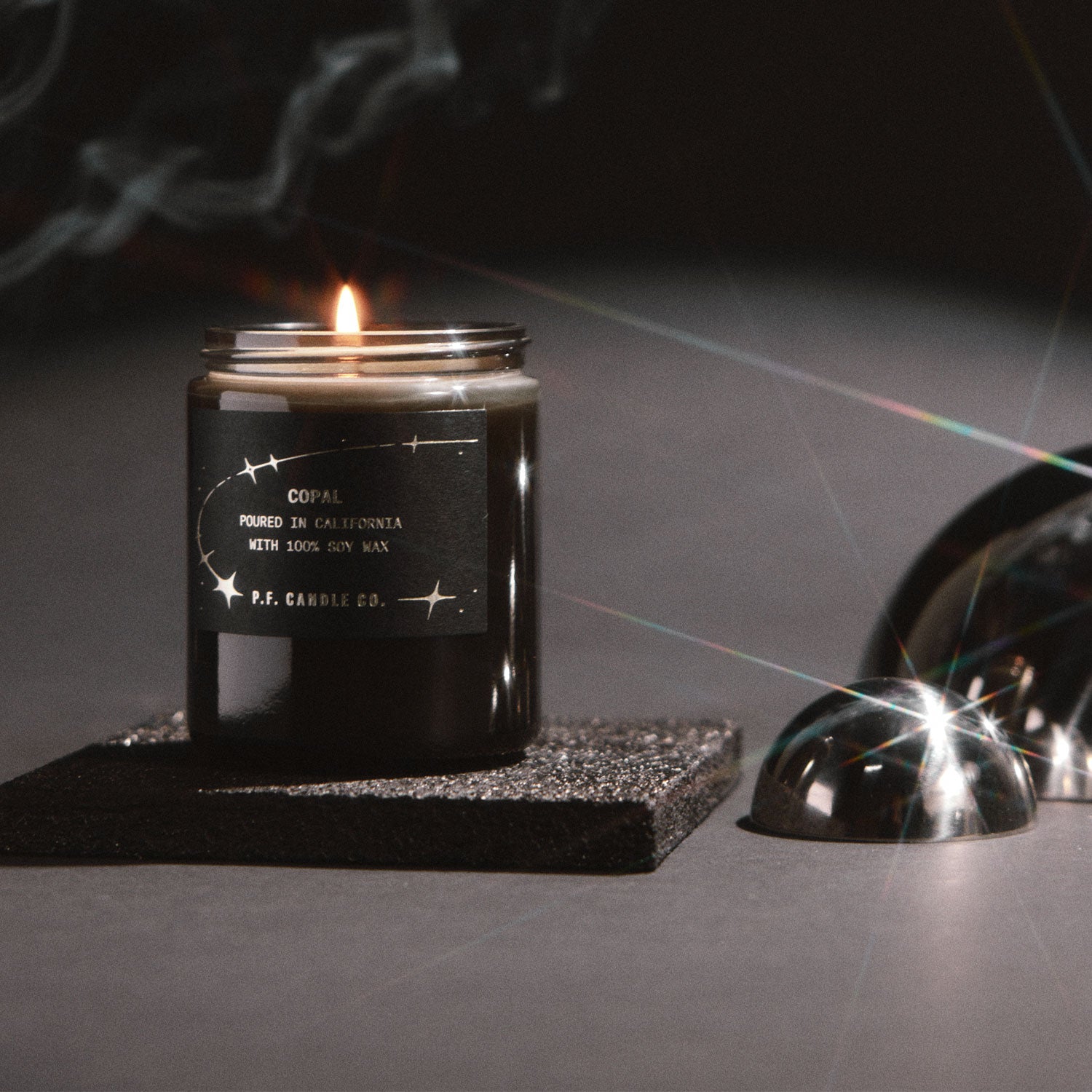
At some point, the question is no longer how a fragrance smells – but where it sits when it is not being worn. On the edge of the sink, on a stainless steel shelf, beside candles and skincare products? The bottle becomes part of a space that is curated, consciously or unconsciously. Almost like a small still life in everyday life.
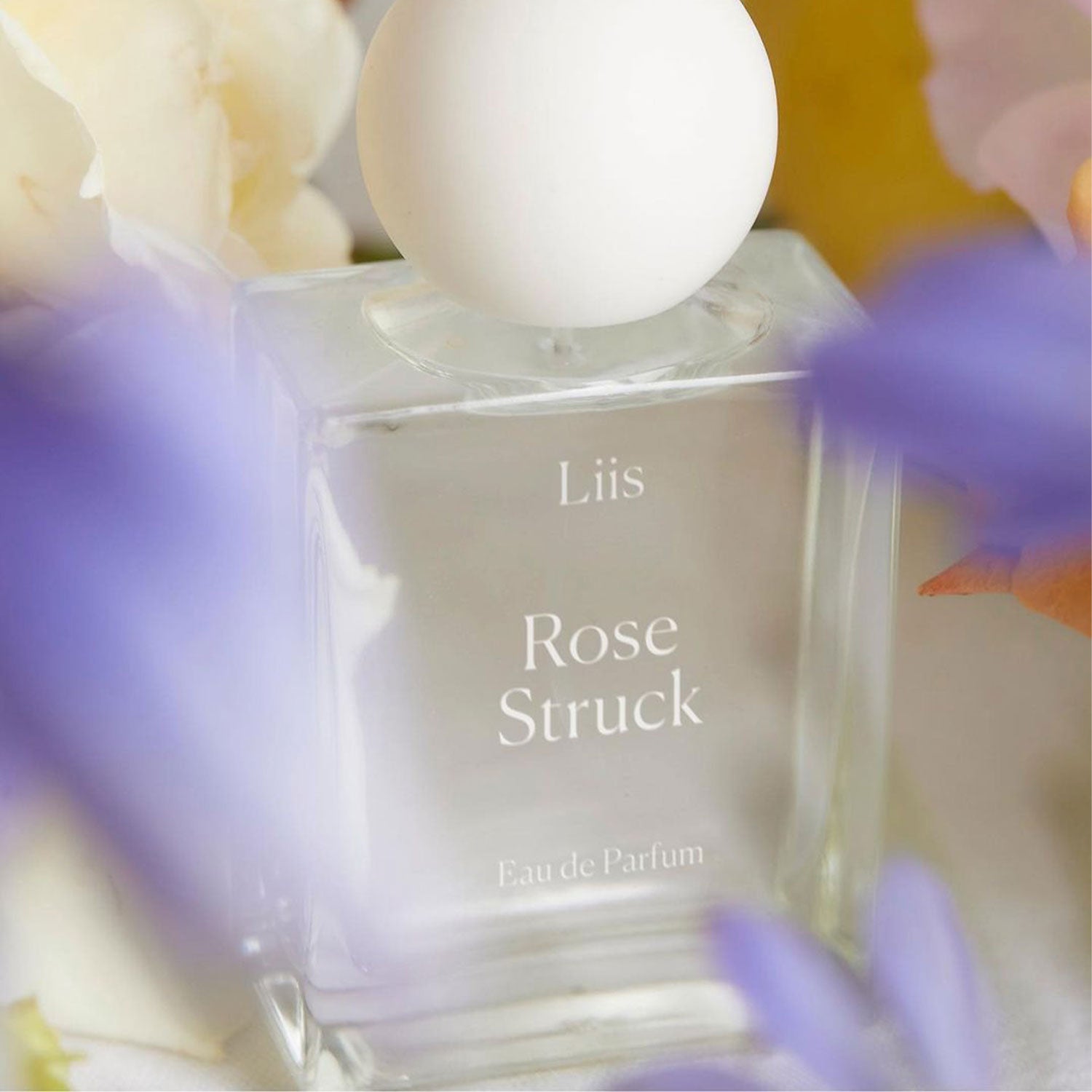
This is where fragrance meets interior design. Perhaps bottles are chosen based on shape, material, or color rather than composition. Clear glass forms do not disappear into the background but integrate seamlessly into minimalist bathroom setups. Sculptural bottles create deliberate contrasts – conversation pieces that hold attention within a room, even when they are not being used. Fragrance becomes a visible part of the atmosphere.
Some people collect art. Others collect perfume bottles – and insist that the two are completely different. In the end, a personal gallery of fragrance objects emerges. Not a collection in the traditional sense, but rather a blend of design and perfumes that become part of everyday life.
At Woodberg, you will find bottles that are more than just packaging. Each piece combines fragrance with its own visual identity – sometimes understated, sometimes extravagant, but always full of character. And so you can experience the fragrance itself, our curated selection is also available as perfume samples or discovery sets – online or in our store in Darmstadt. |

Your box is not yet complete
You still have in your Sample Box. Would you like to complete the box or proceed to checkout anyway?
Want more?
Do you already know our Sample Box? Build a box from 5 or 10 samples.
5x box (incl. €10 voucher)
10x box (2 samples free + €10 voucher)
Your box is full!
Sample already in box


