

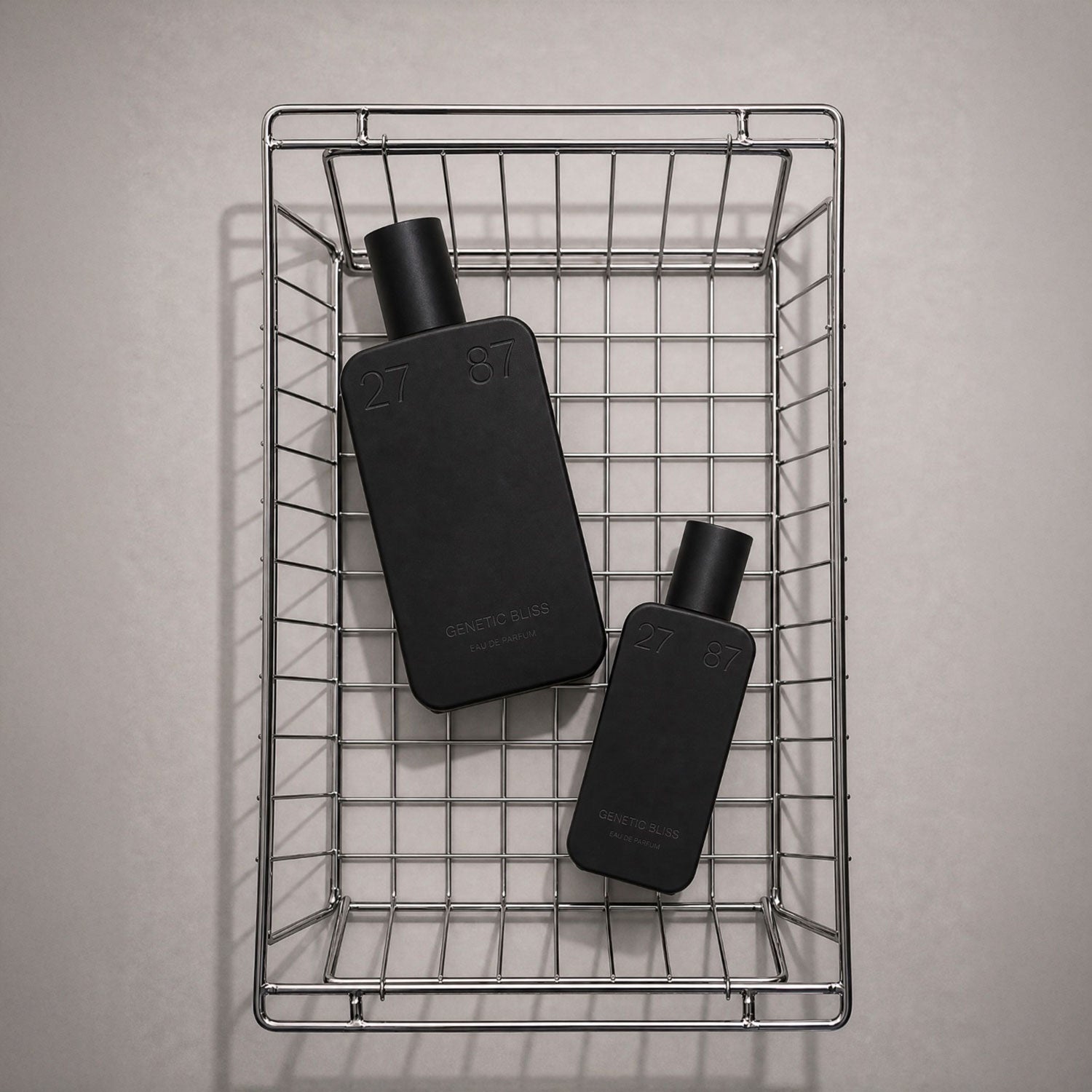
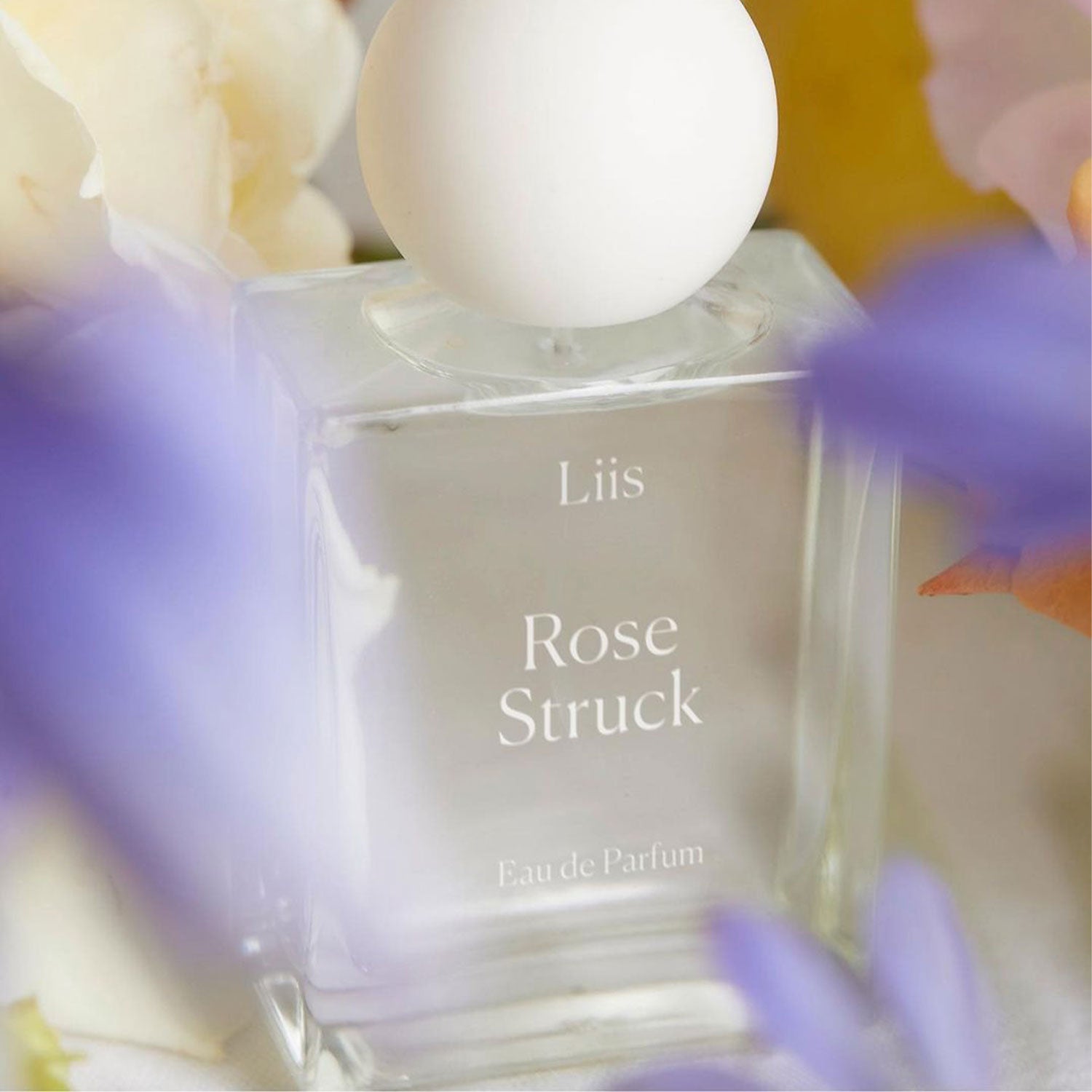
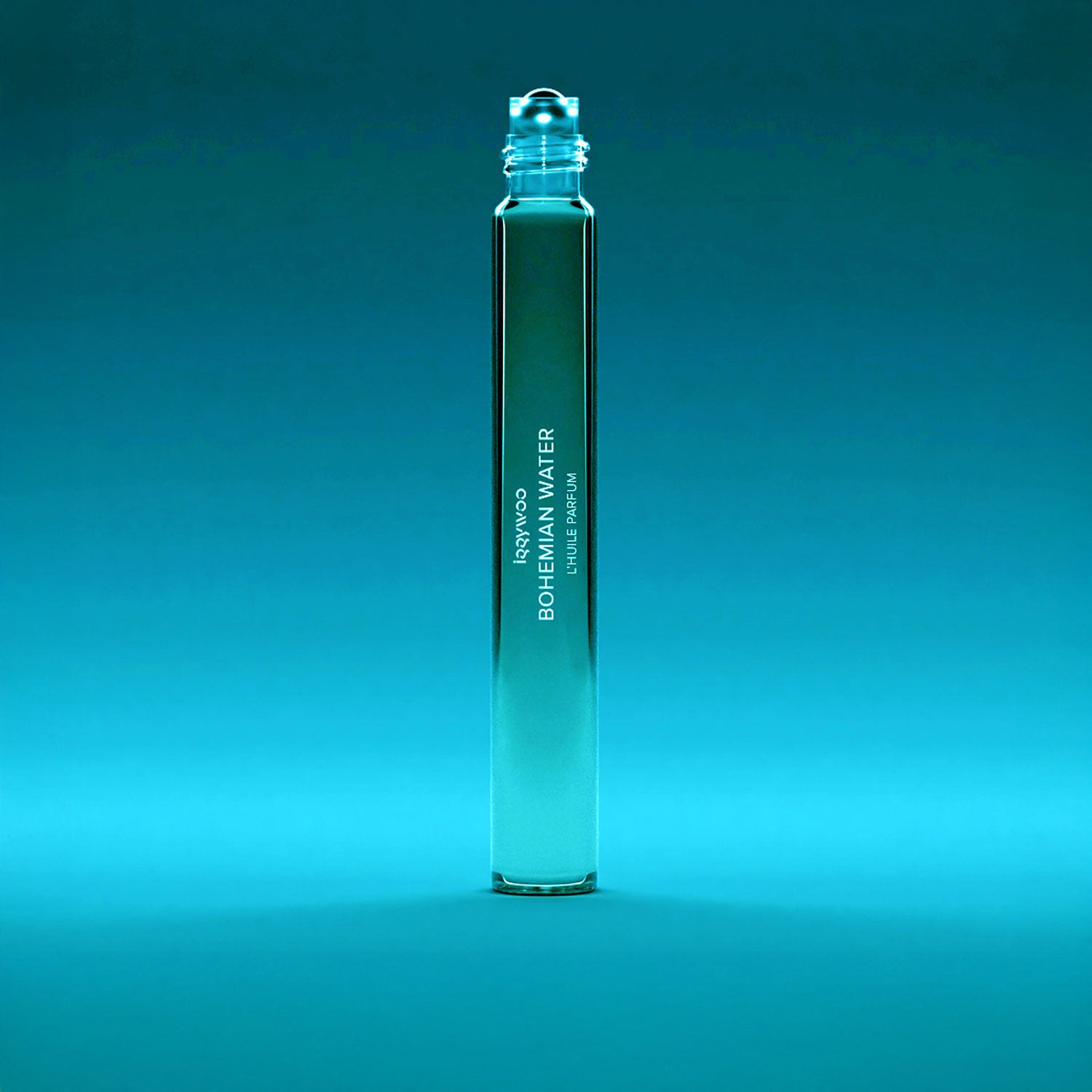
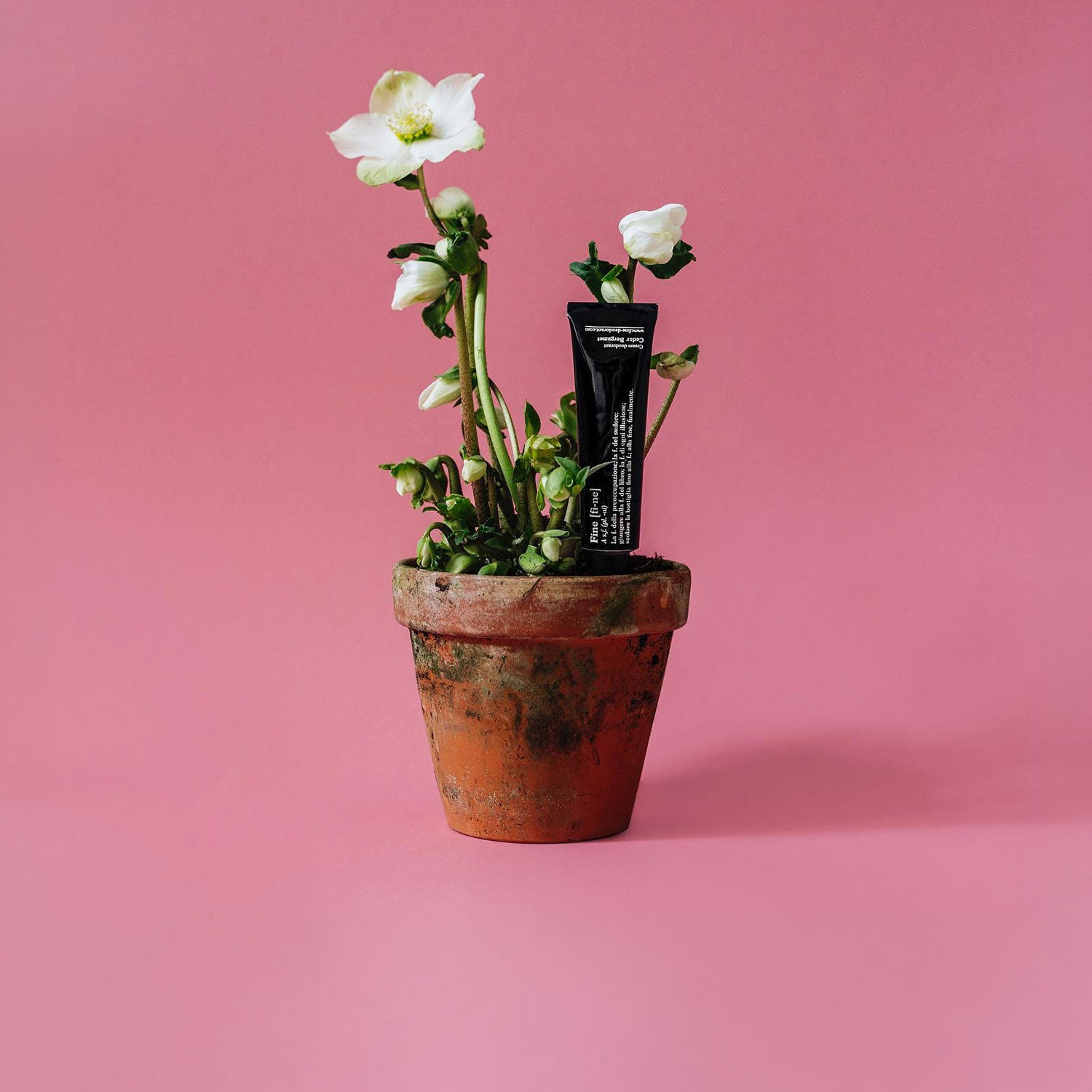
Those who are sensitive to fragrance often get headaches from perfume or react with nausea.

Perfumes for Sensory Overload: Clean, Freshly Showered Scents
|
|
Time to read 6 min
|
|
Time to read 6 min
People with scent sensitivity do not tolerate strong fragrances well. This can be due to the perfume itself or to physical factors.
Those who are sensitive to fragrance often get headaches from perfume or react with nausea.
Clean fragrances with a fresh-out-of-the-shower scent often smell more subtle – and are better suited for people who are sensitive to smells.
Some of the most popular fresh fragrance notes include light citrus accords, white musk, and aquatic nuances.
Maybe you’ve experienced this yourself before: your day has been absolutely terrible, you’re irritated and just want to go home. You get on the train. And suddenly someone squeezes in next to you, carrying a penetrating cloud of fragrance – your stomach tightens for a moment and your head starts to throb. Completely unpleasant, right? People who are sensitive to fragrance experience this very frequently. They react more strongly to smells, which in some cases leads to sensory overload – an overstimulation. What then happens in the body varies. Some people, for example, get headaches; in others, the smells trigger nausea. But where does scent sensitivity come from, and what are the causes? Two factors play a major role here:
Some perfumes are simply too much for many people. This applies in particular to fragrances with the following characteristics:
To find out whether any of these points apply to a perfume, testing is essential. Blotter strips are best for this purpose. That way, you don’t spray the fragrance directly onto your skin and avoid having a potential killer perfume cling to you right away. A professional fragrance consultation can also help you find a scent that feels pleasant to you.
Perfume is not always the cause of sensory overload. Certain physical factors can also make people react more sensitively to smells. These include:
That said, scent-sensitive people don’t have to keep their hands off perfume bottles altogether: there are various fragrances that are easier to tolerate for those with scent sensitivity. You’ll learn how to identify these creations in the next chapter.
You’re sensitive to perfumes but still want that freshly showered effect that carries you gently and lightly through the day? Say less: we’ll show you what makes a clean, subtle fragrance.
Perfumes with fewer fragrance oils are the first choice for people with scent sensitivity. So opt for:
The advantages of these creations: they fade more quickly than their highly concentrated counterparts, and their scent unfolds more subtly. Perfumes with a lower proportion of fragrance oils also often feel lighter on the skin and blend more with your natural scent. For your nose, this is a real relaxation factor compared to perceiving nothing but foreign perfume molecules.
Better leave the sillage heavy-hitters on the shelf: for scent-sensitive people, perfumes that stay close to the skin are ideal. Put differently, fragrances that don’t envelop you in a cloud but are only subtly perceptible. A win-win for you and your nose.
Light fragrances are the best friends of scent-sensitive people. This is often due to the fragrance notes. Bright nuances that give you a freshly showered perfume experience include:
Important: when browsing, pay attention to the fragrance concentration. There are also perfumes with light notes that nevertheless have a high proportion of fragrance oils. In those cases, a delicate blossom can quickly turn into a floral explosion that may overstimulate your senses.
Complex fragrance pyramids and a list of top notes that feels never-ending? Some perfume fans love this kind of complexity. For scent-sensitive people, it’s pure overkill. It’s better to go for fragrances with a clearly structured composition. When it comes to the number of notes per perfume, minimalism is king.
Even the cleanest fragrance can feel intrusive if you apply it the wrong way. We’ve collected the best tips to make sure your sensitive nose actually enjoys your perfume:
Apply your perfume in fresh air – ideally on a balcony. Or stand by an open window. This prevents the scent from lingering in the room.
Use only 1–2 sprays on your wrists. Other pulse points like the neck or behind the ears bring the fragrance closer to your nose – which could be too much.
Test how perfume develops on your clothing. Some scent-sensitive people like the effect of not wearing fragrance directly on the skin. And if you spray perfume on a cardigan or scarf, you can even take it off if it becomes too much. For others, fragrance on clothing feels more intrusive because it can smell stronger and fade more slowly – just try what works for you.
Heat amplifies the projection of fragrance molecules. The scent becomes stronger, which means: on very hot summer days or during exercise, you should reduce the number of sprays or avoid perfume altogether if you react sensitively to smells.
In principle, there’s nothing against it. However, many pregnant people react more strongly to smells, which may be due to hormonal changes. For this reason, light perfumes with low sillage are better suited during pregnancy. Pleasant fragrance notes include skin-close musk nuances, citrus notes, or aquatic scents.
People who are prone to migraines or headaches should choose gentle perfumes with a minimalist fragrance pyramid. Complex creations lead more quickly to a feeling of sensory overload in sensitive individuals. Heavy perfumes with strong projection are also a clear no-go for people who are sensitive to migraines.
Clean perfumes and freshly showered–style fragrances are ideal for situations where you want to wear a personal touch without being intrusive. They work well in offices, on train or bus journeys, in confined spaces, or when meeting people who are sensitive to fragrance. Subtle perfumes are also a good idea in summer: scents develop more strongly in the heat – with clean scents, you stay fresh even when it’s hot.

Your box is not yet complete
You still have in your Sample Box. Would you like to complete the box or proceed to checkout anyway?
Want more?
Do you already know our Sample Box? Build a box from 5 or 10 samples.
5x box (incl. €10 voucher)
10x box (2 samples free + €10 voucher)
Your box is full!
Sample already in box


