

Up to 90%: Alcohol is almost always the main ingredient in perfumes.

Perfume without alcohol: Mocktails for your skin
|
|
Time to read 6 min
|
|
Time to read 6 min
Up to 90%: Alcohol is almost always the main ingredient in perfumes.
Alcohol-free fragrances are gentler on the skin – perfect for sensitive skin types or after shaving.
The alternatives to classic compositions: oil- or water-based perfumes.
Less ain’t more: less alcohol doesn’t mean less character – but a completely new fragrance experience.
The short answer: Yes!
Strictly speaking, alcohol – or more precisely: ethyl alcohol – is the main carrier of classic perfumes. It acts as a modifier for fragrance compounds:
That’s why a classic fragrance often smells very intense right after spraying and then changes over the course of the day. Alcohol in fragrances is therefore highly effective and also inexpensive – which is why it has been the standard in the perfume world for decades.
But: alcohol is not without alternatives. And certainly not ideal for every skin type or every fragrance need. This is exactly where alcohol-free perfumes come in. Instead of ethanol, they use compositions based on oil or water. Sounds unusual? Maybe. Still works. Alcohol-free options are neither a trick nor a trend gimmick, but a conscious choice for a different fragrance experience that is gentle on the skin.
Because not every skin type enjoys alcohol. With sensitive skin – or simply after shaving – a perfume containing ethanol can quickly become too much. Many people therefore consciously choose alcohol-free fragrances for greater comfort and fewer sensations of tightness or skin burning.
The season also influences your perfume: especially in summer, in combination with sun and heat, alcohol on the skin can have an additional stressing effect. Certain fragrance ingredients such as bergamot or other essential oils react more sensitively under UV radiation. A skin barrier weakened by alcohol can intensify irritation – and not only for sensitive skin, but also for people with fragrance allergies who react particularly strongly to essential oils. Alcohol-free perfumes are the optimal choice here – so you can still enjoy your Aperol in the sun.
Alcohol-free perfumes open the door to a new fragrance experience. They don’t burst onto the scene like a classic ethanol-heavy spray, but develop more quietly, almost intimately. Instead of an explosive opening in the top notes, the scent arrives gently, close to the skin and controlled – like a whisper.
That doesn’t mean less character – quite the opposite. The notes unfold evenly over hours. They remain consistent and merge with your skin into a subtle, personal signature scent. For those who love closeness, who enjoy experimenting, or for all the introverts who prefer to keep their fragrance to themselves: you’ll find a new olfactory dimension here.
Alcohol-free primarily means: composed differently. There are fragrances based on oil or water, or solid ones in wax form. Each variant plays its own game with skin closeness and intensity.
Oils are the classics among alcohol-free fragrances. You like it intense and personal? Then you’ll love this option! This is what characterizes oil-based fragrances:
Perfect for pulse points, where the scent blends with your body heat. For perfume oils, perfumers use so-called carrier oils or base oils for their collections. They are as neutral-smelling as possible, skin-friendly, and ensure that the fragrance compounds unfold evenly.
The most common ones are:
Tip: Check the ingredients when buying. Because oil-based fragrances can also contain alcohol. Do you have questions? We at Woodberg are happy to advise you – online or in our store on site in Darmstadt.
Light and uncomplicated – a water-based perfume is your pro move for everyday wear or a hot summer. They often feel more refreshing, full of clarity, absorb quickly, and are especially suitable for skin that reacts sensitively to sun or classic alcohol formulations.
Solid perfumes rely entirely on wax instead of liquid. Their benefits:
Solid perfumes are therefore your choice if you want to stay flexible at home or on the go – while also avoiding plastic and alcohol.
The most common waxes for solid perfumes:
Honestly: 0% fragrances usually don’t last as long as classic alcohol-based perfumes. And that’s not a flaw, but part of the concept. Alcohol ensures that notes unfold quickly and project far. Without it, the scent stays closer to the skin – and often fades sooner.
Depending on the formulation, an alcohol-free perfume lasts a few hours. The sillage of oil-based variants is usually longer than that of water-based fragrances. If you’re looking for a big scent cloud or an “I’m still here” effect in the evening, you may need to reapply.
So what matters less is the “how long,” and more the “how.” Alcohol-free fragrances focus on closeness instead of projection, on comfort instead of drama. And they are skin-friendly. That’s exactly what they’re worn for.
Pay attention to the carrier base (oil, water, or wax), as it influences longevity, skin feel, and intensity. If you have sensitive skin, it’s also worth taking a look at the fragrance ingredients themselves – especially essential oils or citrus notes, which can irritate your skin more quickly. And most importantly: don’t expect a classic eau de parfum feeling, but a more intentional, skin-close fragrance experience.
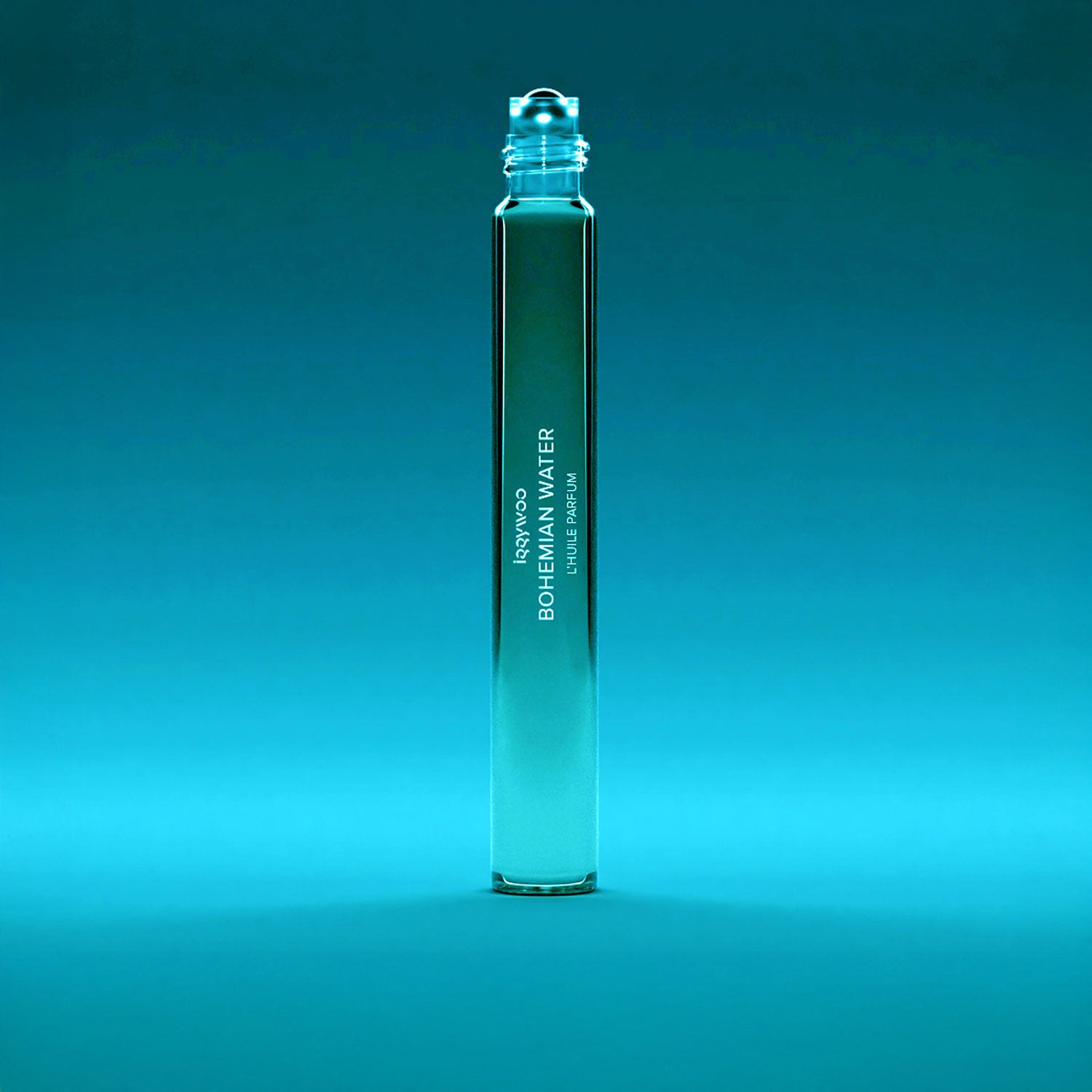
Most roll-on perfumes are oil-based. The oil base ensures that the fragrance unfolds slowly and lasts longer on the skin – perfect for pulse points like the neck or wrists.
Not every fragrance material can be realized equally well without alcohol. Highly volatile or strongly projecting creations in particular behave differently in alcohol-free formulations – or not at all. That’s why certain scent profiles are rarer, for example fragrances with oud, intense spices, or aquatic notes. The advantage: a gentle scent that is consciously conceived differently – and develops in a very individual way. And fragrances that are deliberately thought differently.
Long-lasting notes like musk, natural essences, and botanical materials often unfold even better without alcohol. They stay closer to the skin, feel gentle and personal – ideal for anyone looking for a subtle, individual fragrance.

Your box is not yet complete
You still have in your Sample Box. Would you like to complete the box or proceed to checkout anyway?
Want more?
Do you already know our Sample Box? Build a box from 5 or 10 samples.
5x box (incl. €10 voucher)
10x box (2 samples free + €10 voucher)
Your box is full!
Sample already in box


